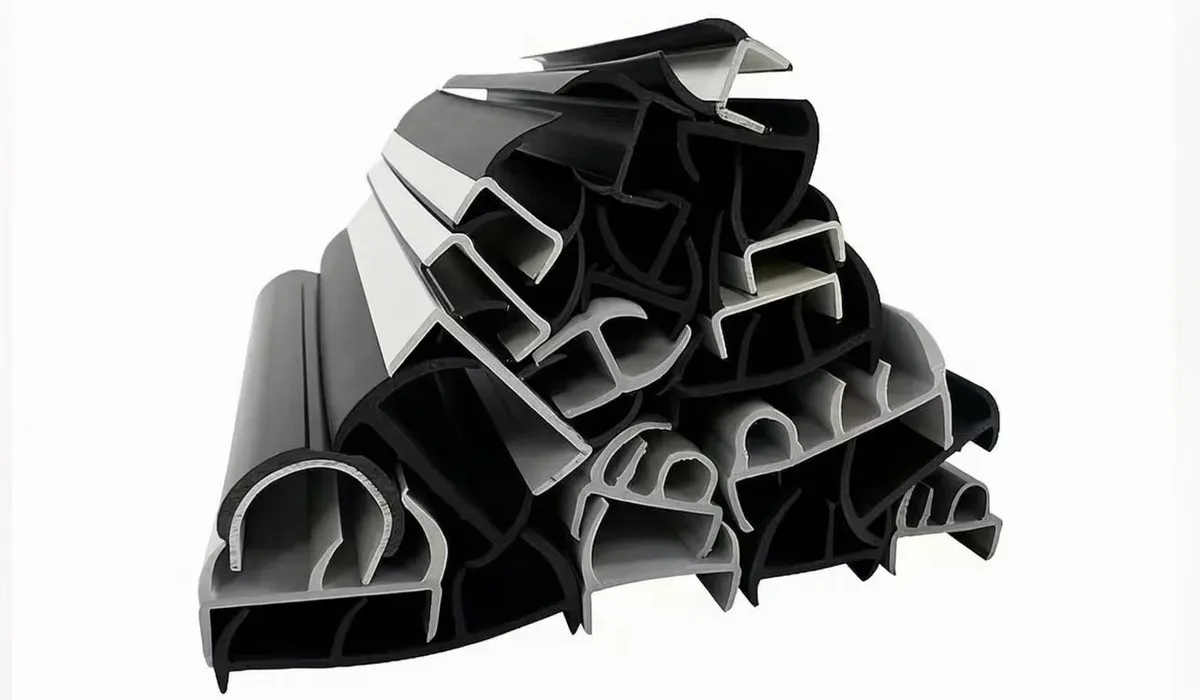
Material Notes
Rubber &Plastic Materials and How to Choose the Right One
Compare nine rubber and plastic materials, silicone, NR, EPDM, NBR, FKM, SBR, PU, ABS and PP, by properties and temperature range, and choose the right one.
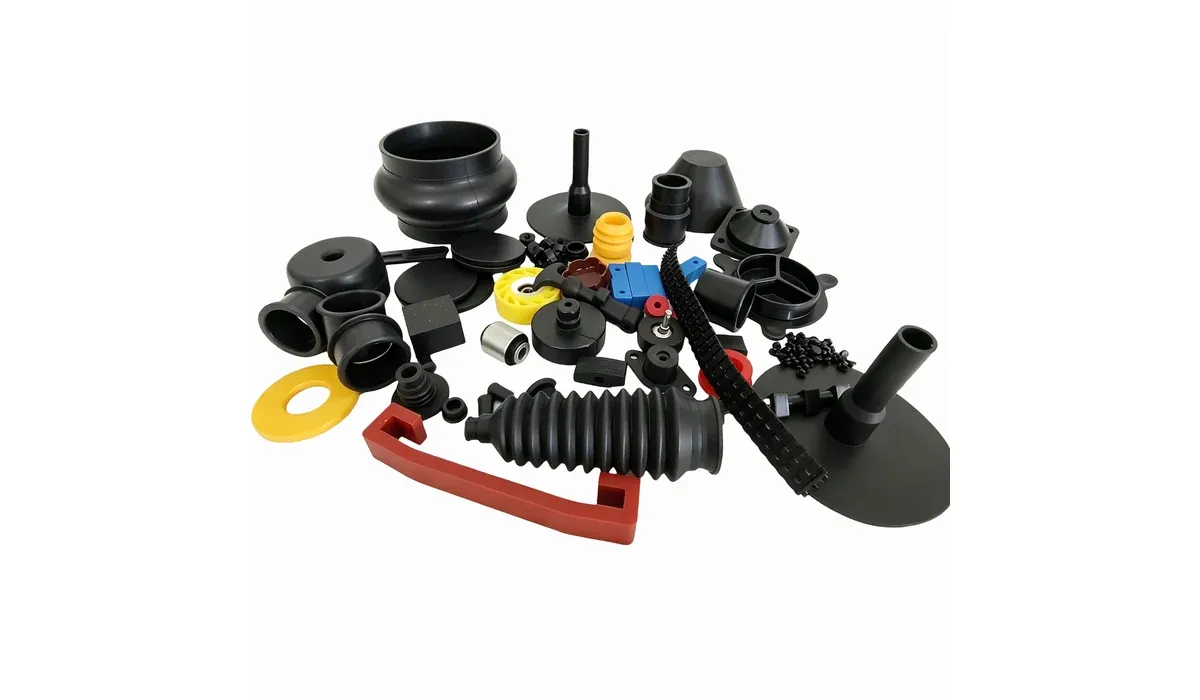
Qingdao Weilian Plastic & Rubber Co., LTD can customize rubber and plastic products with various materials. Different materials have different properties. Select the appropriate rubber and plastic materials according to different application environments. Choosing the wrong material can cause poor performance, leakage or early failure.
Rubber Materials: Properties and Applications
silicone (VMQ)
Highly flexible, suitable for performance rubber products, resistant to high temperatures and low temperatures.( ≥-120°,≤250°),High tensile strength, it can withstand high temperatures. Food-grade silicone is odorless and safe, and can be used for food industry.
NR
It has typical rubber elasticity and excellent mechanical properties such as good wear resistance.
the range of resistance temperature (≥-20°,≤130°), Used for rubber shoes, air springs and other general industrial products.
EPDM
Resistant to ozone, polar liquids and electrical properties, suitable for outdoor .The range of resistance temperature (≥-40°,≤150°),Used for wire and cable conveyor belts, automotive glass water removal strips.
NBR
Oil resistance and wear resistance are excellent, but they lack high-temperature resistance.
The range of resistance temperature(≥-40°,≤130°).Excellent oil resistance. Suitable for oil-sealed oil-resistant rubber hoses and O-rings.
FKM
It has the best heat resistance, oil resistance and chemical resistance among all rubbers, making it the top quality rubber. The range of resistance temperature (≥-30°,≤240°).Used for O-rings, missiles, aircraft, automobiles, mailboxes, etc. as sealing components.
SBR
It is similar to natural rubber, but has better aging resistance than natural rubber.
The range of resistance(≥-40°,≤90°)It is prone to stress cracking and is not resistant to benzene. Suitable for manufacturing insulating transparent parts, decorative parts and chemical instruments.
PU(polyurethane)
High rigidity and excellent mechanical strength, the range of resistance temperature(≥-40°,≤90°)
High-pressure seals, couplings, and industrial products requiring high strength
Plastic Materials: Properties and Applications
ABS
ABS have high strength, high rigidity, excellent processing performance, good surface glossiness and excellent chemical corrosion resistance.
Has good wear resistance and oil resistance and The range of resistance temperature (-40°~100°)
It is widely used in the manufacturing of various industrial products and consumer goods.
PP (Polypropylene)
PP material has certain toughness and impact resistance, as well as advantages such as heat resistance, chemical stability, light weight, easy processing and environmental friendliness.
It can usually be used for a long time at temperatures below 100℃. Some modified PP can even withstand higher temperatures.
If you need help choosing the right material for your application, explore our molded rubber parts and rubber extrusion profile, plastic injection parts, contact our sales team for support.