Home Routines
Rubber Buffer Installation: Automotive and Industrial Methods and How to Choose the Connection
Rubber buffer installation varies by application and connection type. Compare automotive and industrial methods and bolt, embedded and flange connections.
This article explains how rubber buffer installation differs by application scenario and connection structure, comparing automotive and industrial installations and bolt, embedded and flange connections. Choosing the wrong installation method can cause misalignment, reduced damping performance, or premature failure of the buffer. After reading it, you can judge which installation method fits your application.
The installation method of rubber buffers mainly depends on the application scenario and connection structure. The common differences and key points are as follows:
Installation in the Automotive Field
- The installation of buffer rubber pads for parts such as the engine, chassis, and seats has its own specific requirements.
- For example, when using shock absorber buffer rubber pads, the vehicle body needs to be lifted using a jack to stretch the spring, and then the nuts are removed before installing according to the instructions.
Installation in Industrial Equipment
- Such as stacker cranes, emphasis is placed on centering installation, that is, the center line of the impact head must be coincident with the center line of the buffer piston rod to avoid load imbalance and shorten the service life or cause damage.
Installation by Connection Structure
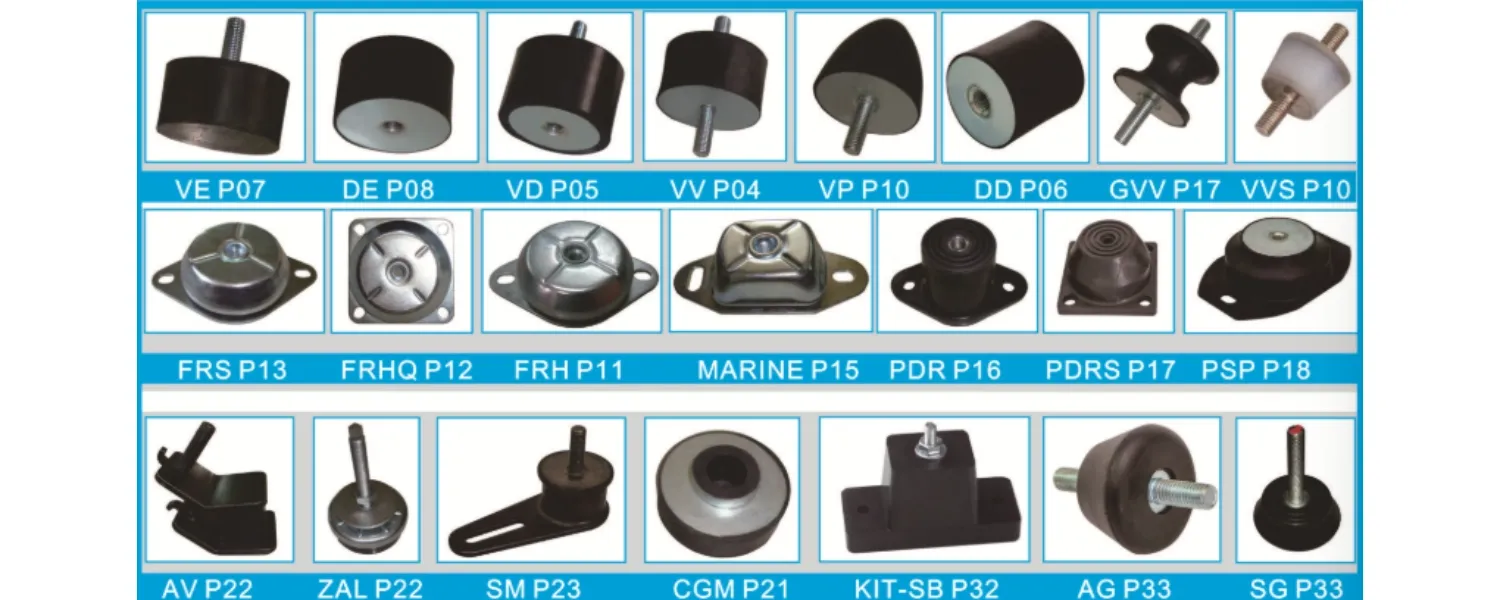
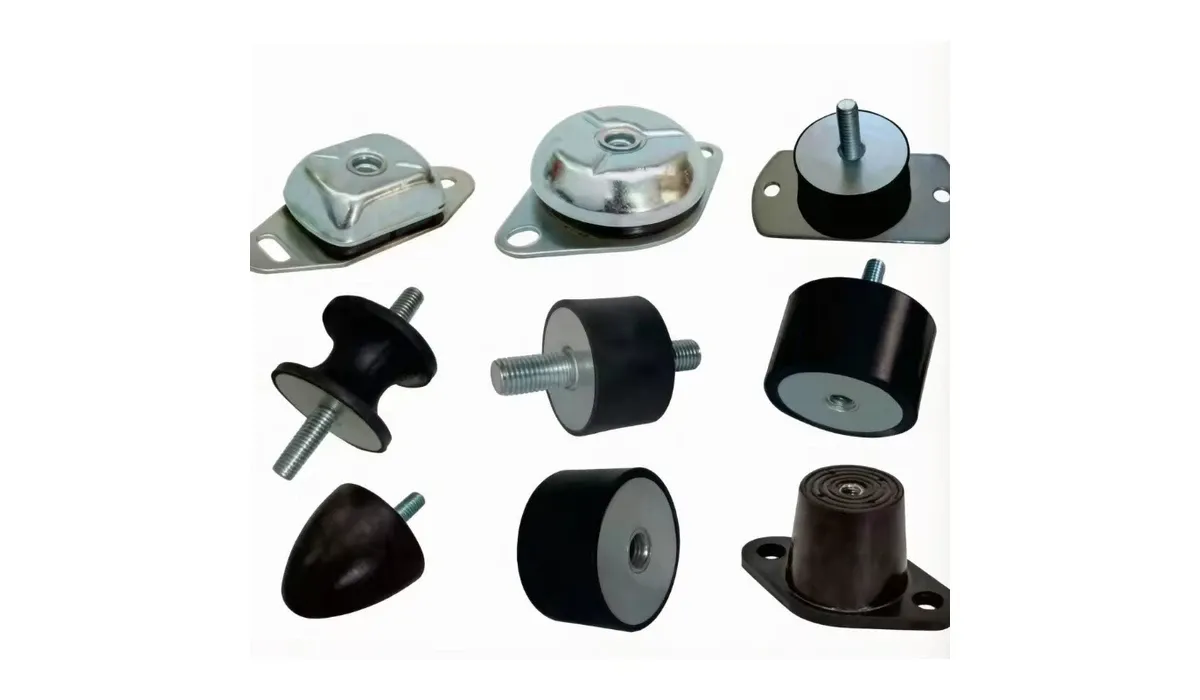
- Different models offer various installation options, and the main difference lies in the design of the connection elements (such as bolt fixation, embedded, flange connection, etc.). Choosing the appropriate installation method can ensure that the product is easier to integrate into different applications and guarantee the stability and convenience of installation.
- In summary, the differences lie in the connection form (matching different equipment interfaces) and the installation accuracy requirements (industrial equipment emphasizes centering, while automotive components emphasize torque and gap adjustment).
To choose the right model for your application, view our Rubber buffer products or contact our sales team for help with selection and installation. You can also browse our molded rubber parts.